Samsung’s next XR glasses are expected to hit the market in the third quarter of 2025.
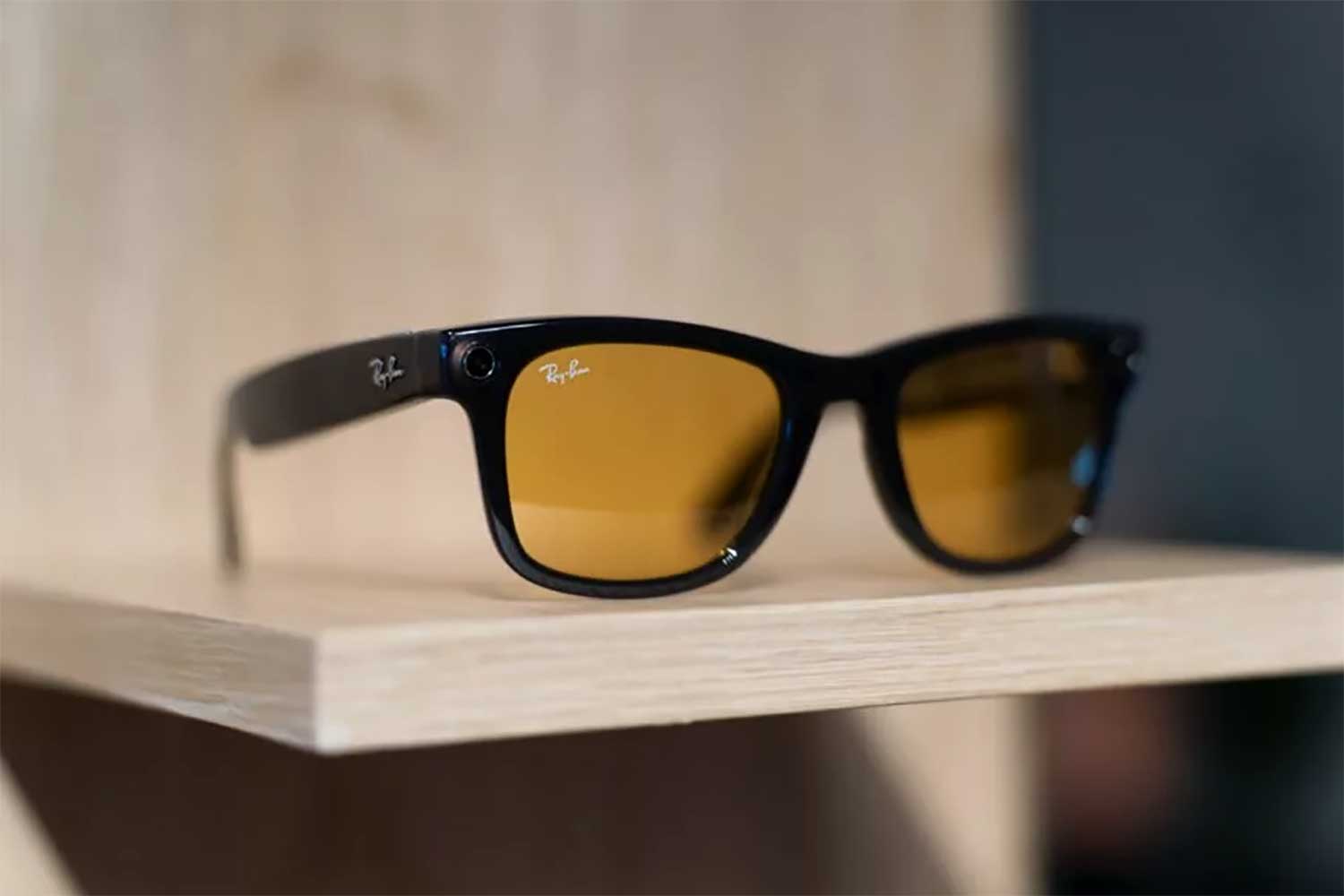
According to a new rumour, Samsung’s future XR glasses, created in conjunction with Google, are expected to enter the market in the second half of 2025; some of the specs appear to be comparable to the popular Meta Ray-Ban spectacles.
According to a post by a reliable person on X, Samsung may be aiming to make an initial shipment of 500,000 smart glasses, which will be delivered in the third quarter of 2025. These glasses appear to employ Qualcomm’s AR1 processor, the same device seen in Meta’s Ray-Ban smart glasses. Of course, it is uncertain what model of processor this will be.
Specifications for Samsung XR glasses
According to Maeil Business Newspaper, Samsung’s XR glasses would feature a 12-megapixel camera and a 155mAh battery, comparable to Meta’s Ray-Ban spectacles. These glasses weigh 50 grammes, significantly more than the Meta glasses.

According to a reliable source, practically all of the basic features of the Samsung glasses have been released, but there has been no indication of whether or not they would have a display. It is also possible that these glasses may not have a display. Of course, given the weight of the glasses, which is nearly identical to the Meta glasses, it is reasonable to assume that the Korean glasses will similarly lack a display.
Of course, it appears like Samsung’s upcoming glasses will be more capable in certain ways, including AI performance. Google’s Gemini will most likely serve as the user’s AI helper in Samsung eyewear. This AI can handle payment processing, QR code recognition, and motion detection. Of course, it is still unclear how these functions work, but it appears like Samsung’s XR glasses are slightly more capable than Meta’s product. Of course, Meta’s glasses incorporate artificial intelligence.
It is expected that these glasses will be mentioned at Samsung’s launching ceremony for the Galaxy S25 series, just as the Galaxy Ring was during the S24 series unveiling. Of course, we shouldn’t expect these glasses to be released simultaneously with the Galaxy S25 series.